| Type of treatment |
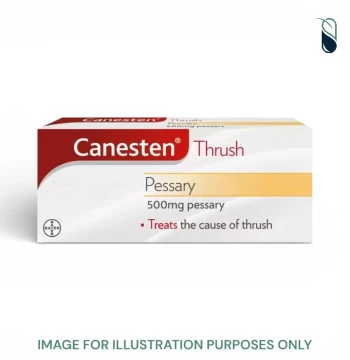
Local vaginal antifungal (imidazole) inserted directly into the vagina. |
Oral antifungal capsule (triazole) that works throughout the body. |
| How it works |
Kills the yeast at the site of infection by damaging the fungal cell membrane. |
Slows and stops the growth of Candida yeast throughout the body, helping your immune system clear the infection. |
| How it's used* |
Usually 1 x 500mg pessary inserted once at night high into the vagina using the applicator. Single dose. |
Usually 1 x 150mg capsule taken once, with water, at any time of day (follow your label). Single dose. |
| Where it acts |
Mainly local – stays in the vagina; very little absorbed into the body. |
Systemic – absorbed into your bloodstream, so treats infection from inside. |
| Symptom relief |
Good for clearing internal infection; often combined with an external clotrimazole cream (OTC) for external itching. |
Convenient if you prefer a tablet or find pessaries difficult to use. Works for most straightforward episodes of vaginal thrush. |
| Onset & duration |
Pessary dissolves overnight; symptoms usually start to improve over a few days. |
Single capsule has a long half-life (~30 hours), so it stays in your system for several days; symptoms often improve within a few days. |
| Pregnancy & breastfeeding |
Preferred option in pregnancy – topical clotrimazole is commonly recommended instead of oral fluconazole. (You'll still be screened first.) |
Oral fluconazole is usually avoided in pregnancy unless specifically advised by a specialist. Breastfeeding use is individualised. The prescriber will advise. |
| Common side effects |
Mild vaginal burning/irritation, discharge as the pessary dissolves, rare rash or allergy. |
Headache, nausea, abdominal discomfort, diarrhoea; rarely liver issues, rash, or effects on heart rhythm in at-risk people. |
| Key cautions |
Avoid if you've had a previous serious reaction to clotrimazole or similar antifungals. Don't use during a heavy period (it may not stay in long enough). |
Use with caution or avoid if you have liver disease, kidney issues, certain heart rhythm problems, or take interacting medicines (e.g. some anticoagulants, certain antiarrhythmics or antibiotics). |
| Who it may suit |
If you prefer local treatment, are pregnant, or want to avoid systemic medication. |
If you prefer a single tablet, have used it before successfully, or find pessaries awkward to insert. |




![<h3 class="font-bold text-[#4c847b] mb-2 text-center">Quick Online Consultation</h3>](https://img.icons8.com/ios-filled/50/ffffff/survey.png)
![<h3 class="font-bold text-[#4c847b] mb-2 text-center">Reviewed by a UK Prescriber</h3>](https://img.icons8.com/ios-filled/50/ffffff/treatment-plan.png)
![<h3 class="font-bold text-[#4c847b] mb-2 text-center">Fast, Discreet Dispensing & Delivery</h3>](https://img.icons8.com/ios-filled/50/ffffff/delivery.png)