

Psoriasis

Psoriasis Treatment

At 24 HR Pharmacy

Psoriasis is a chronic inflammatory skin condition where the immune system speeds up skin cell turnover. This leads to thick, red, scaly plaques that can be itchy, sore, and sometimes crack or bleed. It most often affects the elbows, knees, scalp, lower back and torso, but can appear anywhere.

There's no permanent cure, but many treatments can improve symptoms and the appearance of plaques. For mild–moderate psoriasis, first-line therapy is usually topical treatments – especially vitamin D analogues and topical corticosteroids. These reduce inflammation, slow down overactive skin cell production, and ease itch and scaling.
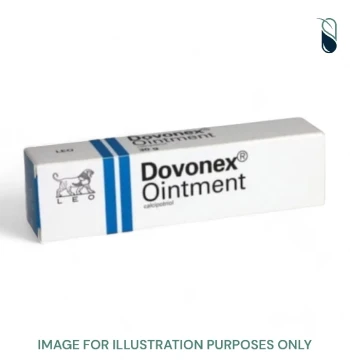
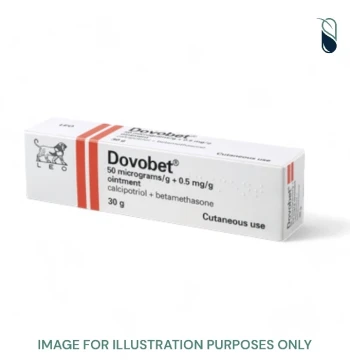
See Treatment Options

Your Treatment Options

Compare Your Options

Your Psoriasis category currently includes seven topical medicines. To keep things clear, here's a comparison of three key steroid-only options, representing different strengths. Your prescriber may instead recommend Elocon as another potent steroid, or Fucibet / Fucidin H if there's a localised bacterial infection, usually for a short course only.

  Eumovate (Clobetasone 0.05% Cream) Betnovate (Betamethasone Valerate 0.1% Cream) Dermovate (Clobetasol Propionate 0.05% Cream)
Steroid potency Moderately potent Potent Very potent
What it's used for Mild–moderate psoriasis or as a step-down from stronger steroids on body areas. Moderate psoriasis plaques that haven't responded to weaker steroids, especially on trunk/limbs or scalp (in appropriate formulations). Short-term rescue for severe, thick or resistant plaques on body areas when other steroids fail – generally specialist- or GP-supervised.
How it works Reduces local inflammation, redness and itching, slowing skin cell over-production. Stronger anti-inflammatory effect to quickly calm active plaques. Very strong anti-inflammatory effect to suppress severe inflammation and scaling rapidly.
Typical use* Thin layer once or twice daily to active plaques for a short course (often up to 2 weeks), then taper/stop or step down. Thin layer once or twice daily to affected plaques for 1–2 weeks, then review and usually reduce frequency or switch to lower potency. Thin layer once or twice daily for a very short course (often a few days up to 1–2 weeks) to small, resistant areas only. Long-term or large-area use is avoided.
Who it may suit People with mild–moderate plaques or those needing something stronger than hydrocortisone but not a full potent steroid. Adults with more troublesome plaques on body areas where potent steroids are appropriate. Adults with stubborn, thick plaques (e.g. on elbows/knees) under clear medical guidance, not first-line.
Common side effects Burning, stinging, dryness or irritation where applied if overused. Same steroid-related effects: irritation, dryness, possible skin thinning with prolonged or inappropriate use. Higher risk of steroid side effects (thinning, stretch marks, visible small blood vessels) if used too often/too long or on delicate skin.
Key cautions Avoid prolonged continuous use on face, genitals or skin folds unless specifically advised. Use the shortest effective course, especially on thinner skin; avoid long-term unsupervised use. Usually reserved for small areas and short courses; not for children or delicate sites without specialist input.

*Your exact product, frequency, and duration will be set by the prescriber and detailed on your dispensing label and in the patient information leaflet. Always follow those instructions over general guidance.

← Swipe to see more →

Who Is Eligible?

This online service is aimed at adults with known psoriasis who need a short course of topical treatment for limited plaques.

You may be suitable if:

  • You've previously been told by a clinician that you have psoriasis
  • You currently have stable, limited plaques (for example, patches on elbows, knees, or small areas of trunk/limbs)
  • You've already tried emollients and milder treatments, but need a steroid cream or a short rescue course
  • You're otherwise well, with no severe infection, extensive rash or concerning systemic symptoms

You may not be suitable for online-only treatment if:

You should see your GP or dermatologist (and sometimes urgent care) instead if:

  • Psoriasis is very widespread, suddenly worsening, or covering most of your body
  • You have possible psoriatic arthritis – joint pain, swelling, stiffness (especially in fingers, toes, or lower back)
  • There are signs of skin infection – hot, painful, rapidly spreading redness, weeping, pus, fever or feeling generally unwell
  • Plaques involve face, genitals, large skin folds, or are very thick and resistant to previous steroids
  • You're pregnant, breastfeeding, immunosuppressed, or have complex medical conditions needing closer supervision
  • You've been using potent or very potent steroids frequently without proper review

Emergency: If you feel very unwell, have rapidly spreading painful redness, high fever or think you may have a serious skin infection (e.g. cellulitis), seek urgent medical help rather than relying on an online prescription.

Why choose 24 HR Pharmacy

  • Pharmacist-led: Every request is checked by a UK-registered prescriber against your medical history and current medicines.
  • Fast, discreet service: Simple online questionnaire, clear next steps, and discreet delivery to your door.
  • Ongoing support: Guidance on using your treatment safely, plus practical lifestyle tips to help you get results.
  • Transparent and responsible: We prescribe only when it is safe and appropriate, and we will suggest alternatives if a medicine is not right for you.
Psoriasis

How Our Online Service Works

Get prescription psoriasis treatment in 3 simple steps

<h3 class="font-bold text-[#4c847b] mb-2 text-center">Quick Online Consultation</h3>

Quick Online Consultation

You complete a short, secure questionnaire covering:

  • Where your psoriasis plaques are (e.g. elbows, knees, scalp, trunk)
  • How long you've had psoriasis and what you've tried before
  • Whether areas look cracked, bleeding, or infected (yellow crusts, pus, spreading redness)
  • Any other medical conditions and all medicines you're taking

This helps the prescriber decide:

  • Which strength of steroid is appropriate (moderate / potent / very potent)
  • Whether you may need a steroid–antibiotic combination if the skin looks infected
  • Whether online treatment is safe, or if you need face-to-face review instead
<h3 class="font-bold text-[#4c847b] mb-2 text-center">Reviewed by a UK Prescriber</h3>

Reviewed by a UK Prescriber

A UK-registered clinician will:

  • Check your description is consistent with psoriasis rather than eczema, fungal infection, or another rash
  • Screen for features that need in-person assessment (for example, very extensive psoriasis, nail changes, joint pain suggestive of psoriatic arthritis, or severe infection)
  • Choose an appropriate topical steroid potency for the site and severity of plaques, in line with guidance to use the least potent steroid that controls symptoms, for short courses only
  • Decide if a steroid-only or steroid–antibiotic cream is more suitable (the latter only if there are signs of localised infection)

If online treatment isn't appropriate, we won't supply a cream. Instead, you'll be advised to contact your GP, dermatologist, sexual health/urgent care, or NHS 111 as appropriate.

<h3 class="font-bold text-[#4c847b] mb-2 text-center">Fast, Discreet Dispensing &amp; Delivery</h3>

Fast, Discreet Dispensing & Delivery

  • A private prescription is issued for the recommended treatment
  • Medicine is dispensed from our UK-registered pharmacy to full UK standards
  • Discreet parcels: No external product names on the box

Strong steroids and steroid–antibiotic combinations should not be used continuously or repeatedly without a clinician reviewing your overall plan.

2000+ Happy Customers

Google ★★★★★

Frequently Asked Questions